Domestic water:
Control Legionella safely in your building
Struggling with Legionella risk, biofilm and high energy use?
Legionella bacteria are a growing challenge in domestic water systems across Europe. The bacteria typically develop in lukewarm and stagnant water, where slimy biofilm quickly builds up inside pipes.
Exposure to Legionella bacteria can lead to Legionnaires’ disease, a severe and potentially fatal form of pneumonia. Infection occurs when tiny, contaminated water droplets from showers, taps or other installations are inhaled. The risk is highest in hot water systems.
Traditional control methods based on very hot water, flushing routines or hazardous chemicals are often energy-intensive, difficult to manage and not effective enough against biofilm inside the system.
Safer and more effective solution
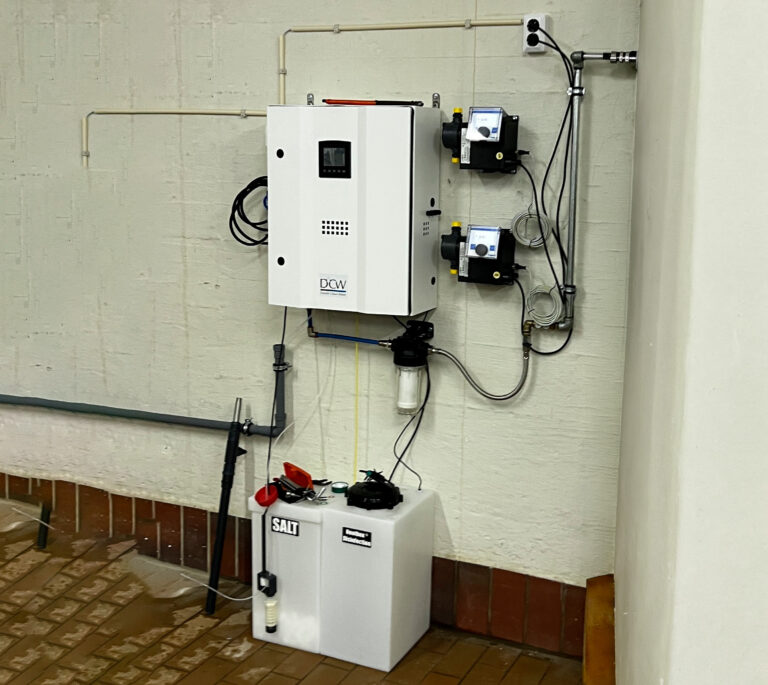
Our DCW units produce a mild disinfectant on-site using only salt, water and electricity. The disinfectant Neuthox® is automatically dosed into the water system in small, controlled amounts to continuously protect against Legionella. It also removes and prevents biofilm where the bacteria would otherwise multiply rapidly.
Where Legionella control is critical
Large buildings have high Legionella risk due to complex water systems with long pipework, varying water temperatures and fluctuating water consumption. Our solution can be used to control Legionella and other harmful bacteria in both hot and cold water systems (where permitted).
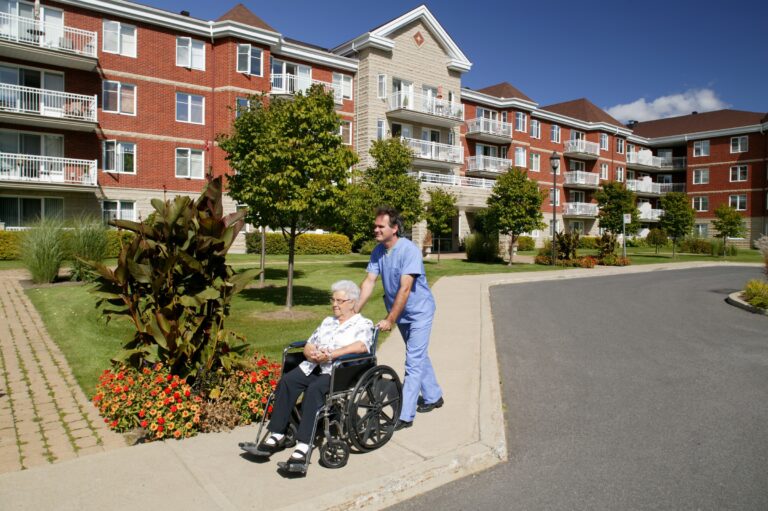
Care facilities
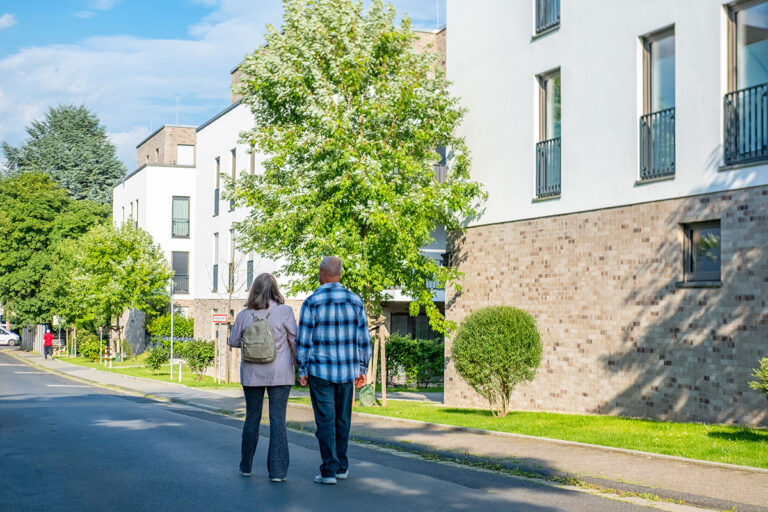
Residential buildings
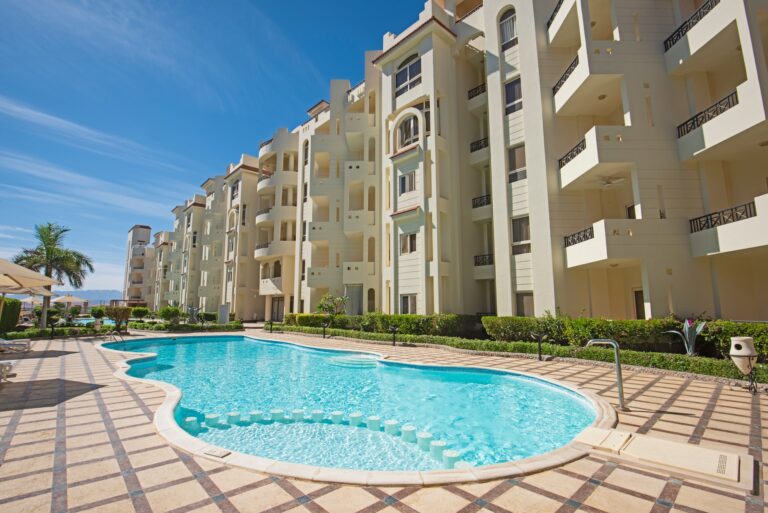
Hotels & spas
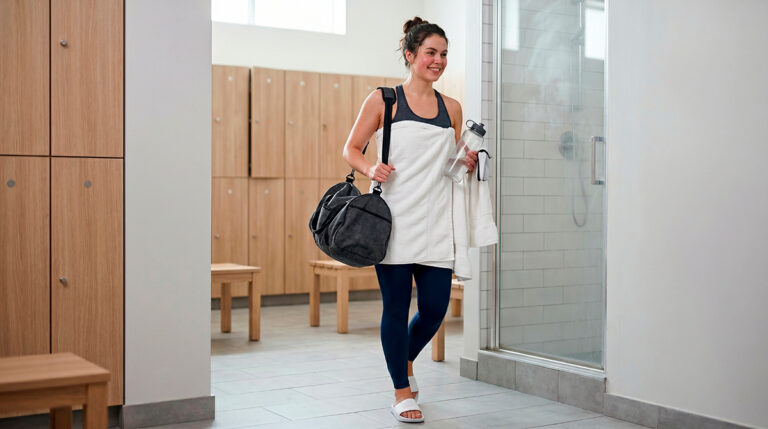
Sports centres & swimming baths
What you gain with our Legionella solution
Protection around the clock
Better safety and health
Reduced energy use and costs
Simpler operations
Lower environmental impact
500+ installed DCW units help control Legionella in buildings
Remove biofilm – and stop bacteria from coming back
Biofilm is a thin, slimy layer of microorganisms that forms inside water pipes. It acts as a protective environment where Legionella and other harmful bacteria can grow and multiply. As long as biofilm remains in the system, bacteria can quickly return – even after thermal flushing or chemical treatment.
Our solution continuously disinfects the water and breaks down biofilm inside pipes. This removes existing contamination and helps prevent new biofilm from forming.
Before
After
Documented in a major national Legionella project
How to solve the growing Legionella problem without wasting energy
Over a three-year period, we participated in a major Legionella project in Denmark together with the Danish Technological Institute, Statens Serum Institut (under the Danish Ministry of Health) and other partners. The project resulted in proposed methods to better address the growing Legionella problem while at the same time reducing energy consumption – including our DCW solution, which was tested in field studies and demonstrated clear advantages.
Traditional Legionella control relies on high water temperatures, which is often problematic in practice and goes against the need to reduce energy consumption in buildings.
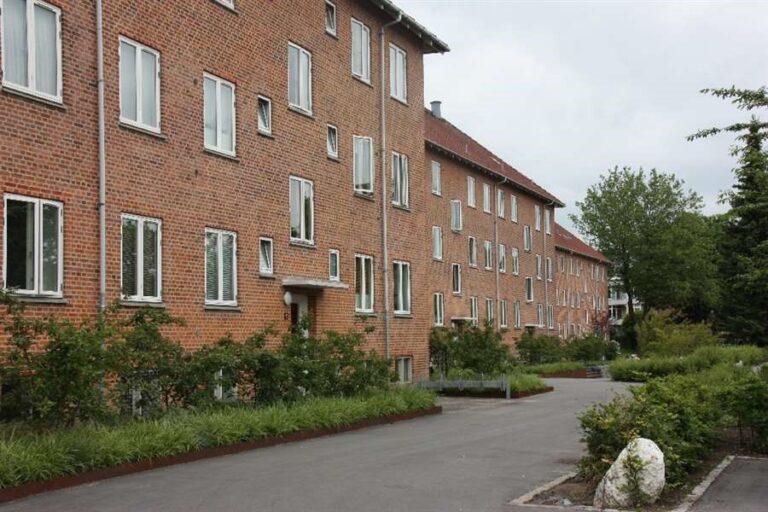
Field study: Complex Legionella problem solved within weeks
Read the full field studyCases: Proven in complex and critical buildings
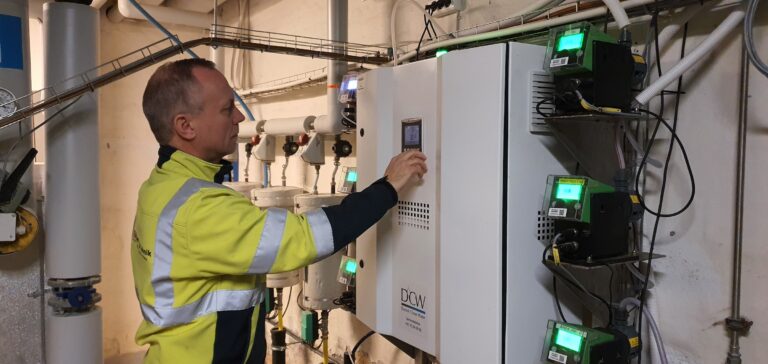
Hospital secures safe water for patients
A regional hospital has replaced temperature flushing routines with DCW units and achieved consistently clean and safe water for its patients. At the same time, the hospital has reduced energy consumption and simplified operations.
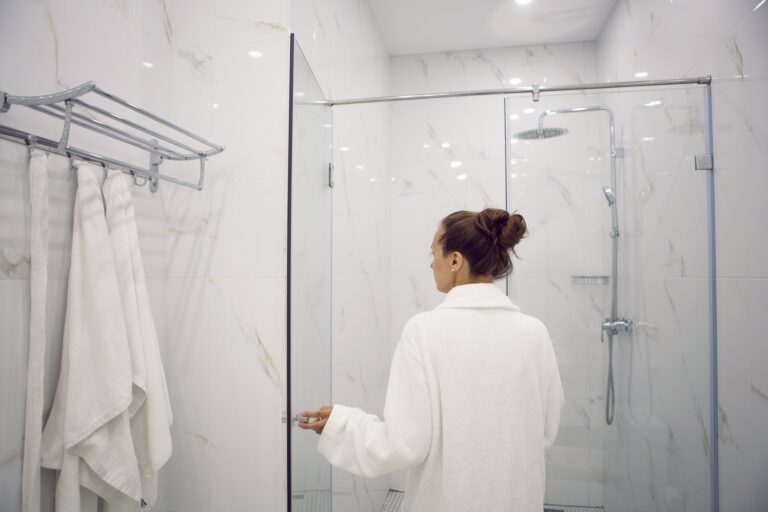
Hotel chain reduces risks and energy use
A UK hotel chain has proactively implemented the DCW solution across all sites to reduce energy use and avoid hazardous chemicals while maintaining safe, compliant water systems. The result is lower operational risks, significant cost savings and improved confidence.
Legionella in water systems – what you need to know
The harmful Legionella bacteria thrive in lukewarm and stagnant water from 20°C to 45°C and are commonly found in large buildings where domestic water systems are complex, and temperatures are often not optimal.
Exposure to Legionella bacteria can lead to Legionnaires’ disease, a severe and potentially fatal form of pneumonia – especially for elderly people, hospital patients and others with weakened immune systems. Infection occurs when tiny, contaminated water droplets from showers, taps or other installations are inhaled.
Effective and safe Legionella control is crucial to protect residents and users and comply with regulations.
FAQ about Legionella control and prevention
Explore more
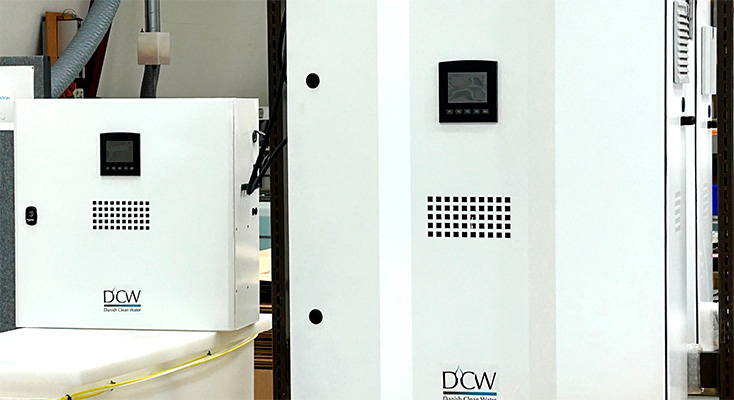
Disinfection units
Find the right DCW unit for your water disinfection needs.
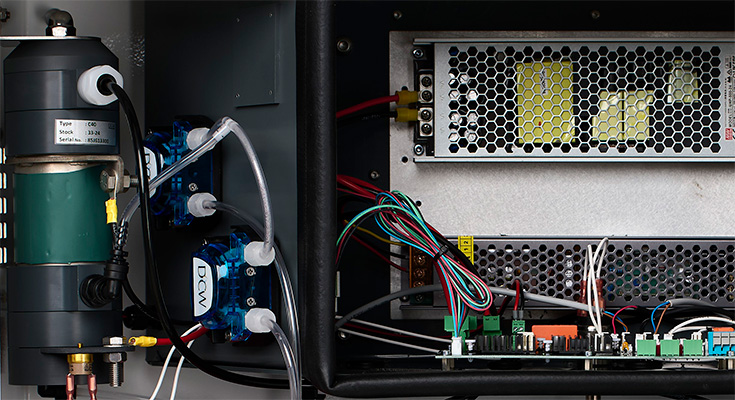
How our technology works
Explore how our electrolysis technology produces Neuthox and why the disinfectant is highly effective.

Documentation
Explore regulatory approvals, independent test results and safety documentation for our solutions.
Interested in other application areas?
Looking for a safer way to control Legionella?
Get in touch to learn more about how our solution can help you.